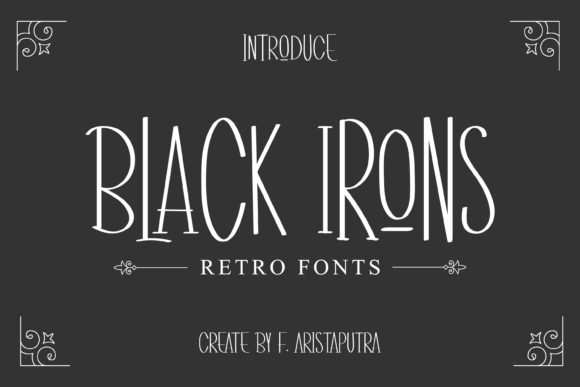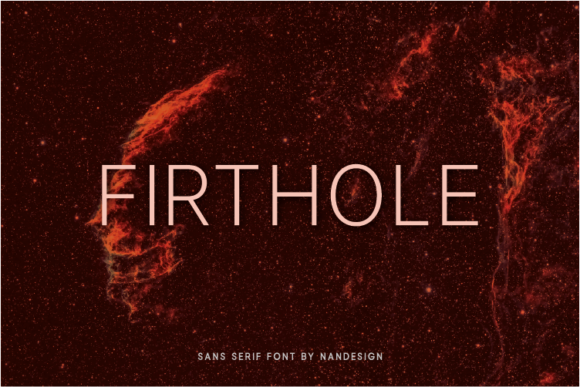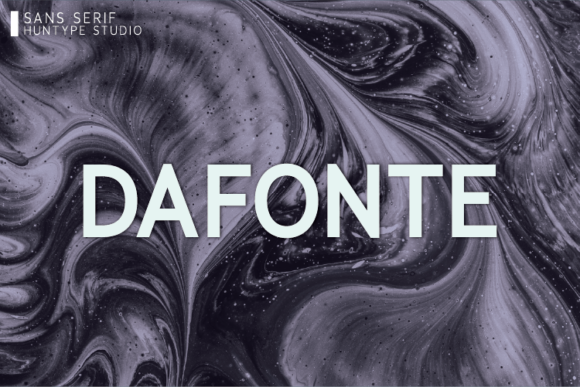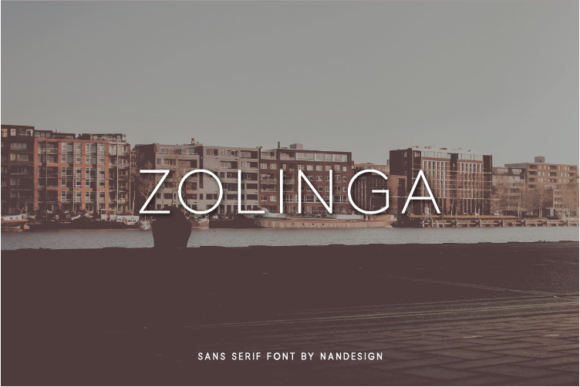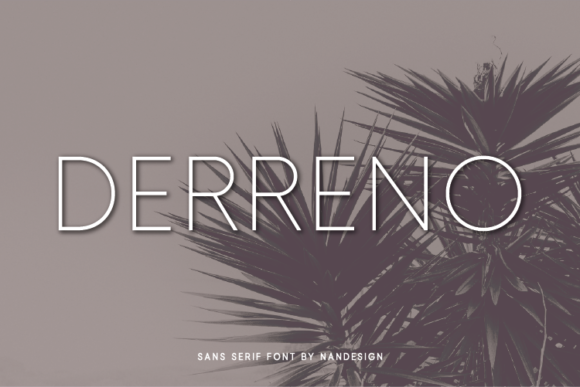
Derreno: A Minimal and Thin Lettered Sans Serif Font for Versatile Design
Derreno is a minimalist, thin-lettered sans serif font that has quickly become a favorite among designers, marketers, and creatives looking for a clean and adaptable typeface. With its sleek lines and elegant proportions, Derreno can be used in a wide variety of contexts—from digital displays to printed invitations—making it a go-to choice for many professionals.
Why Choose Derreno?
Derreno’s design is centered around simplicity and clarity. Its thin lettering gives it a modern and refined look, which works especially well in designs that require a sense of sophistication without overwhelming the viewer. Whether you're creating a wedding invitation, a website header, or a marketing brochure, Derreno brings a sense of elegance that complements both text-heavy and image-focused layouts.
One of the most appealing aspects of Derreno is its versatility. It pairs well with other fonts, making it an excellent choice for multi-font designs where hierarchy and contrast are important. Its readability on screens and in print also makes it a practical option for both digital and physical projects.
Common Mistakes When Using Derreno
While Derreno is a highly adaptable font, there are some common mistakes that can affect how effectively it performs in different applications. Avoiding these pitfalls ensures that your final design looks professional and communicates your message clearly.
Overusing Thin Fonts in Low-Contrast Backgrounds
Derreno's thin lettering can be difficult to read if used on light or busy backgrounds. This is a common mistake when designing for websites or digital media, where the font might blend into the background or appear too small.
Better approach: Always test Derreno against the intended background. If using it for headings or titles, ensure there is enough contrast between the text and the background. Consider using a slightly bolder variant or adding a subtle drop shadow for better visibility.
Ignoring Spacing and Kerning Adjustments
Because Derreno is a thin sans serif font, spacing and kerning play a crucial role in how legible and visually balanced the text appears. Poorly spaced text can make even the best-designed layout feel cluttered or unprofessional.
Tip: Use font tools like Adobe Illustrator or Google Fonts’ built-in settings to adjust spacing and kerning manually. This helps maintain a polished look, especially when working with longer blocks of text.
Not Considering Font Pairing
While Derreno is great on its own, it may not always be the best choice as the only font in a design. Failing to pair it with complementary fonts can result in a lack of visual interest or poor hierarchy in the layout.
A good strategy is to use Derreno for headings and then pair it with a more readable serif font for body text. This combination provides a balance between elegance and readability, ensuring that the content remains easy to digest.
What to Check Before Using Derreno
Before deciding to use Derreno in your project, take a few moments to evaluate whether it truly fits the needs of your design. Here are a few key factors to consider:
- Purpose of the design: Is this a formal document, a casual blog post, or a high-impact advertisement? Derreno is best suited for projects that benefit from a clean, modern aesthetic.
- Readability requirements: Will the text be read at a distance or on a small screen? If so, ensure that Derreno is used in sizes that remain legible under those conditions.
- Color and background: As mentioned earlier, the contrast between the font and the background is essential. Test your design across different devices and lighting conditions to ensure consistency.
- Licensing and usage rights: Make sure you understand the licensing terms for Derreno. Some fonts have restrictions on commercial use or require attribution.
Realistic Examples and Better Approaches
Let’s say you’re designing a wedding invitation. You choose Derreno for the main text because of its elegant look. However, you notice that the names and dates are hard to read when printed on a light-colored cardstock.
Correction: To fix this, you could either switch to a slightly bolder weight of Derreno or use a contrasting color for the text. Another option is to add a subtle border or shadow effect to enhance readability without compromising the font’s minimalist appeal.
Another example involves using Derreno for a website header. While it looks great on a dark background, the font becomes too delicate when viewed on mobile devices.
Better approach: Opt for a larger font size on smaller screens, or use a responsive design that adjusts the font size based on the device being used. This ensures that the text remains clear and accessible to all users.
Final Thoughts on Derreno
Derreno is a powerful tool for anyone looking to add a touch of modernity and elegance to their designs. Its minimal and thin lettering offers a unique aesthetic that stands out while remaining versatile enough for a wide range of uses.
By avoiding common mistakes and considering the right context for each project, you can ensure that Derreno enhances your work rather than detracts from it. Whether you're a designer, marketer, or hobbyist, taking the time to understand how to use Derreno effectively will help you create more engaging and professional results.