Harvest Font: A Simple, Italic, Sans Serif Choice for Designers
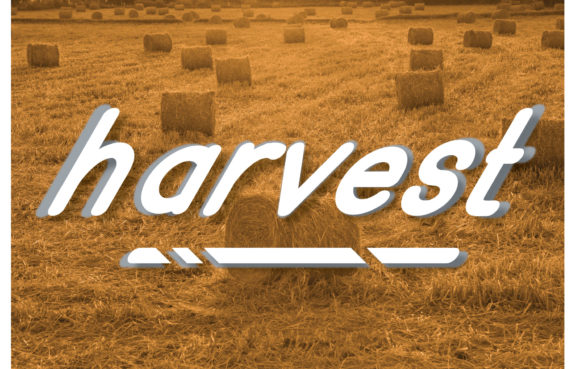
Harvest is a simple, italic, sans serif font that offers designers and creatives a versatile tool for a wide range of projects. Its clean lines and elegant slant make it stand out in both digital and print formats. Whether you're designing a website, creating marketing materials, or working on a personal project, Harvest can be an effective choice when used appropriately.
What Is Harvest?
Harvest is a typeface designed to be readable and aesthetically pleasing across various mediums. As a sans serif font, it lacks the small projecting features called serifs, which gives it a modern and minimalistic appearance. The italic style adds a subtle elegance, making it suitable for headings, body text, or accents in design compositions.
Its simplicity allows it to blend well with other fonts, making it a flexible option for different design scenarios. Unlike more complex or decorative fonts, Harvest maintains clarity even at smaller sizes, ensuring legibility in a variety of contexts.
Why Consider Harvest?
There are several reasons why someone might choose Harvest for their design work. First, its clean and modern look makes it ideal for contemporary designs that prioritize readability and visual simplicity. Second, its italic form provides a stylistic variation that can add character without overwhelming the reader.
Designers who value versatility may find Harvest particularly appealing. It can be used for everything from headlines to body copy, and its neutral tone makes it compatible with a wide array of color schemes and layouts. This adaptability can save time during the design process, as it reduces the need to switch between multiple fonts.
Benefits of Using Harvest
- Readability: Harvest's sans serif structure ensures that text remains easy to read, even at smaller sizes.
- Modern Aesthetic: The font's clean lines and italic slant contribute to a stylish, up-to-date appearance.
- Versatility: It works well with many other fonts and styles, making it a go-to choice for multi-font designs.
- Professional Look: Harvest can enhance the perceived professionalism of a design without being overly formal.
Potential Tradeoffs and Considerations
While Harvest has many strengths, there are also some factors to consider before using it. One potential drawback is that its simplicity may not be suitable for all design contexts. In situations where a more distinctive or decorative font is needed, Harvest might appear too plain or unremarkable.
Additionally, because it is an italic font, overuse can lead to visual fatigue or reduce the effectiveness of the message being conveyed. Italics are often used for emphasis, but relying on them too heavily can diminish their impact.
Another consideration is licensing. Depending on the platform or software being used, there may be restrictions on how Harvest can be employed. Always ensure that the font is properly licensed for the intended use, whether it's for personal projects, commercial work, or web-based applications.
Situations Where Harvest Is a Strong Fit
Harvest is particularly well-suited for projects that benefit from a clean, modern aesthetic. Some common use cases include:
- Web Design: Its readability and minimalist style make it a great choice for websites that require clear, easy-to-read text.
- Print Materials: Brochures, flyers, and business cards can benefit from Harvest's elegant yet approachable look.
- Presentations: When creating slides or decks, Harvest can help maintain a professional and polished appearance.
- Brand Identity: Companies looking to establish a modern and trustworthy brand image may find Harvest useful for logos or branding elements.
When Alternatives May Be Worth Considering
Despite its benefits, there are instances where alternative fonts may be more appropriate. For example, if a project requires a more traditional or ornate feel, a serif font or a script-style typeface might be better suited to the task. Similarly, for highly technical or academic content, a font with greater typographic complexity could be preferable.
Designers should also consider the audience when choosing a font. If the target readership includes older adults or individuals with visual impairments, a font with enhanced legibility—such as those with increased spacing or larger x-heights—may be more effective than Harvest.
Practical Insights for Decision-Making
When evaluating whether Harvest aligns with your design goals, consider the following questions:
- Does the project require a modern, clean aesthetic?
- Will the font be used primarily for body text or headings?
- Is the font compatible with the overall design scheme and color palette?
- Are there any specific accessibility concerns that need to be addressed?
- Does the font's licensing allow for the intended use?
Answering these questions can help determine whether Harvest is the right choice or if another font would be more appropriate. Testing the font in different contexts and reviewing how it interacts with other design elements can also provide valuable insights.
In conclusion, Harvest is a simple, italic, sans serif font that offers a range of benefits for designers and creatives. While it may not be the best fit for every project, its versatility, readability, and modern aesthetic make it a strong candidate for many design applications. By carefully considering the needs of the project and the preferences of the audience, designers can make an informed decision about whether Harvest is the right choice for their work.