Actolese: The Elegant Handwritten Font for Creative Projects
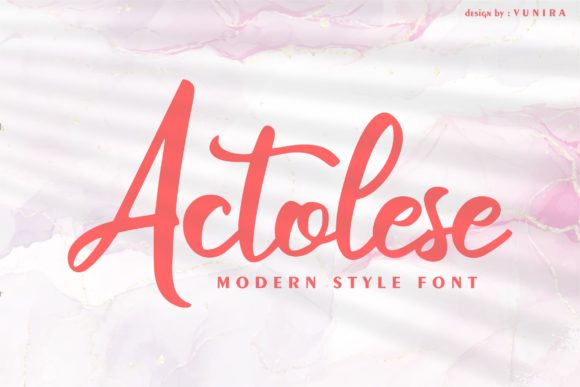
Actolese is a beautifully crafted, elegant handwritten font that brings a sense of charm and sophistication to any design. With its delicate swashes and soft curves, it's perfect for adding a personal touch to everything from letterheads and invitations to digital content and branding materials. Whether you're a beginner or a professional designer, Actolese can elevate your creative projects with its unique aesthetic.
Why Actolese Appeals to Creators and Designers
Actolese stands out due to its dainty and refined appearance, which makes it ideal for various applications. Its original look adds a handcrafted feel to text, making it especially popular among those who want to convey warmth and personality in their work. This font is commonly used in stationery, logos, greeting cards, and even website headers where a more organic and artistic approach is desired.
Many designers appreciate how Actolese blends well with both modern and traditional styles, allowing for versatile use across different industries. From small business owners looking to create eye-catching marketing materials to bloggers wanting to enhance the visual appeal of their posts, Actolese offers a unique solution.
Common Mistakes When Choosing and Using Actolese
While Actolese is an excellent choice for many projects, there are some common mistakes that people make when selecting or applying this font. These errors can affect the overall quality and effectiveness of your design.
Mistake 1: Overusing the Font
One of the most frequent mistakes is using Actolese too frequently in a single design. Because of its delicate nature, overuse can lead to cluttered visuals that are hard to read. It’s best to reserve Actolese for headings, titles, or short phrases rather than large blocks of text.
Better Approach: Use Actolese sparingly to maintain readability and focus on key messages. Pair it with a clean sans-serif font for body text to ensure clarity and balance.
Mistake 2: Ignoring Legibility
Actolese features intricate swashes and flourishes that can be visually appealing but may also reduce legibility if not used correctly. In some cases, the font’s ornate style can make it difficult to read, especially at smaller sizes or on low-resolution screens.
Better Approach: Always test the font at different sizes and on various devices before finalizing your design. Ensure that the text remains clear and easy to understand, even when viewed quickly.
Mistake 3: Not Matching the Font with the Right Project
Not all projects benefit from the use of Actolese. For example, using it in a formal business document or technical report may not be appropriate, as it could come off as unprofessional or overly decorative.
Better Approach: Consider the context and purpose of your project before choosing Actolese. It works best in creative, personal, or artistic contexts where a more whimsical or elegant style is suitable.
What to Check Before Using Actolese
Before incorporating Actolese into your design, it's important to take a few steps to ensure that it will meet your needs and expectations.
- Licensing Terms: Make sure you have the proper license to use Actolese for your intended purpose. Some fonts require specific permissions for commercial use, so always check the terms of use provided by the font creator.
- Compatibility: Verify that Actolese is compatible with the software or platform you plan to use. Many fonts are available in multiple formats (such as TTF, OTF, WOFF), so choose the one that best suits your needs.
- Quality and Resolution: Download high-quality versions of the font to avoid pixelation or distortion, especially when scaling up the text for print or large displays.
- Font Pairing: Experiment with pairing Actolese with other fonts to find a combination that enhances your design without overwhelming the viewer.
Realistic Examples of Actolese in Action
Actolese can be seen in a variety of real-world applications. For instance, a boutique owner might use it for custom thank-you notes or packaging labels to add a personal and elegant touch. A wedding planner could incorporate it into invitations or save-the-date cards to create a romantic and vintage-inspired theme.
On the web, Actolese can be used for blog post titles, call-to-action buttons, or social media headers. However, it's important to ensure that the font doesn't interfere with the user experience. Always prioritize readability and usability when designing for online platforms.
Conclusion
Actolese is a versatile and elegant font that can enhance the visual appeal of your creative projects. By understanding its strengths and limitations, you can avoid common mistakes and use it effectively to achieve the desired impact. Whether you're designing for print or digital use, taking the time to evaluate your choices will help you create professional and aesthetically pleasing results.