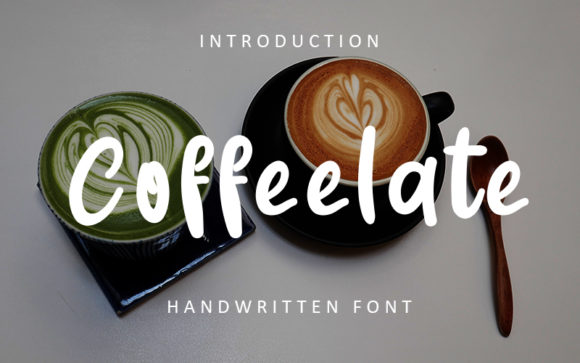
Coffeelate: A Stylish Handwritten Font for Modern Design Projects
Coffeelate is a stylish handwritten font that has gained attention among designers and content creators looking to add a personal touch to their work. Its dynamic, trendy appearance and nostalgic character make it an appealing choice for a wide range of design applications. Whether you're working on branding materials, social media posts, or editorial layouts, Coffeelate brings a unique blend of legibility and personality that stands out from more traditional typefaces.
What Makes Coffeelate Unique?
Coffeelate's distinctiveness lies in its handcrafted feel. Unlike many digital fonts that appear too polished or uniform, Coffeelate mimics the natural flow and imperfections of handwriting. This gives it a sense of authenticity and warmth that can be especially effective in designs aiming to convey creativity, approachability, or a retro aesthetic.
The font’s strong strokes and fluid curves contribute to its dynamic presence. It reads as both bold and expressive, making it suitable for headlines, logos, and other prominent text elements. At the same time, its readability remains intact, ensuring that messages remain clear even in larger formats or at smaller sizes.
Comparing Coffeelate with Similar Fonts
When evaluating Coffeelate, it's helpful to consider how it stacks up against other popular handwritten fonts. While there are several options available, each with its own strengths and limitations, Coffeelate distinguishes itself through its balance of style and functionality.
Fonts like Brush Script MT and Playfair Display also offer a handwritten or script-like appearance. However, these often lean more towards formal or decorative styles, which may not be ideal for everyday use. In contrast, Coffeelate maintains a more casual yet professional tone, making it versatile across different contexts.
Another key difference is in the level of customization. Coffeelate provides multiple weights and styles that allow for greater flexibility in design. This makes it easier to adapt the font to various projects without needing to switch between multiple typefaces.
Strengths of Coffeelate
- Versatile Application: Coffeelate works well in both digital and print formats, making it suitable for a variety of design needs.
- Strong Visual Impact: The font’s dynamic lines and consistent rhythm help it stand out in visual compositions.
- Readability: Despite its stylized appearance, Coffeelate remains highly legible, even in smaller sizes or when used for body text.
- Nostalgic Feel: Its handwritten quality evokes a sense of nostalgia, which can be particularly effective in branding or marketing campaigns targeting older demographics or vintage-themed projects.
Potential Limitations
While Coffeelate offers many benefits, it's important to recognize where it might fall short. For instance, it may not be the best choice for long-form text due to the potential for visual fatigue caused by its stylized characters. In such cases, pairing Coffeelate with a more conventional sans-serif or serif font could provide a better reading experience.
Additionally, because it's a handwritten font, it may not be as widely supported across all platforms or devices compared to more standard typefaces. Designers should always test the font across different environments to ensure compatibility and consistency.
When Is Coffeelate the Right Choice?
Coffeelate is particularly well-suited for projects that benefit from a personal, creative, or nostalgic vibe. Some common use cases include:
- Branding and Logo Design: The font’s strong and dynamic appearance makes it ideal for creating logos that convey energy and individuality.
- Social Media Graphics: With its eye-catching style, Coffeelate can help make social media posts stand out in crowded feeds.
- Editorial and Editorial Design: When used sparingly in headlines or pull quotes, Coffeelate can add visual interest to magazine layouts or blog posts.
- Invitations and Stationery: Its nostalgic feel makes it a great fit for wedding invitations, greeting cards, or other stationery items that aim to evoke emotion.
In these scenarios, Coffeelate’s unique characteristics enhance the overall design without overwhelming the reader. However, it’s important to use it thoughtfully—overuse can lead to cluttered or difficult-to-read content.
Alternatives to Consider
If Coffeelate doesn’t quite meet your needs, there are several alternatives worth exploring. For example, Great Vibes offers a similar script-like appearance but with a more elegant and flowing style. Quicksand, on the other hand, provides a modern, sans-serif look that still feels friendly and approachable.
For those who need a more readable option while still maintaining some stylistic flair, Lato or Open Sans could be good choices. These fonts are designed for clarity and ease of reading, making them ideal for body text or extended paragraphs.
Ultimately, the right choice depends on the specific goals of your project. If you're looking for something that adds character without sacrificing readability, Coffeelate is a strong contender. But if you need a more versatile or universally readable font, exploring other options may be beneficial.
Conclusion
Coffeelate is a stylish handwritten font that offers a compelling mix of visual appeal and practicality. Its dynamic, trendy appearance and nostalgic charm make it a valuable asset for designers seeking to add personality to their work. While it may not be the best fit for every situation, it excels in contexts where a personal touch is desired.
By understanding its strengths and limitations, you can make an informed decision about whether Coffeelate is the right choice for your next project. Whether you're designing a logo, crafting a social media post, or working on editorial content, Coffeelate provides a unique opportunity to elevate your visual communication with a distinctive, handcrafted feel.