First Light: A Strategic Tool for Modern Design with a Charming Touch
Understanding the Value of First Light in Design Projects
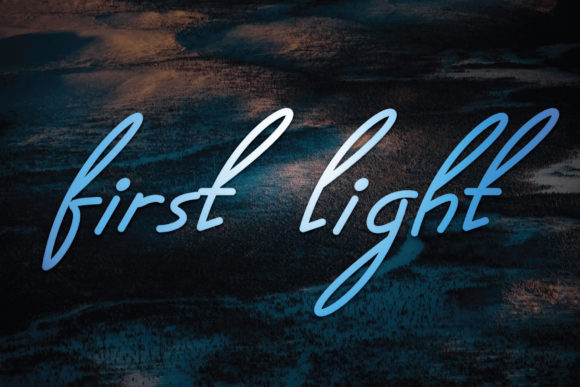
First Light is more than just a modern handwritten font; it's a design element that can significantly enhance the visual appeal and emotional resonance of any project. With its clean, organic curves and balanced structure, this font strikes the perfect balance between professionalism and approachability. Whether you're creating marketing materials, branding assets, or editorial content, First Light offers a unique way to communicate your message with warmth and authenticity.
For professionals who understand the power of typography in shaping brand perception, First Light provides an opportunity to stand out in a crowded digital landscape. Its use can evoke a sense of trust, creativity, and human connection—qualities that are increasingly important in today’s fast-paced world.
Strategic Use Cases for First Light
The thoughtful application of First Light can support various goals, from enhancing readability to reinforcing brand identity. Here are several strategic use cases where this font can make a meaningful impact:
- Brand Identity Development: Incorporating First Light into logos, business cards, or packaging can create a memorable and personable brand image. It works especially well for startups, creative agencies, or lifestyle brands looking to convey a friendly yet professional vibe.
- Marketing Materials: Brochures, social media posts, and email campaigns benefit from the inviting nature of First Light. It helps capture attention without overwhelming the reader, making it ideal for calls to action and key messaging.
- Editorial Content: Blogs, magazines, and newsletters can use First Light to add a touch of elegance to headlines or pull quotes. This can help differentiate content from competitors while maintaining a clear hierarchy of information.
- Product Packaging: For small businesses or e-commerce platforms, using First Light on product labels or descriptions can create a more personal connection with customers. It signals quality and care, which are crucial in building customer loyalty.
Planning Your Approach with First Light
Before integrating First Light into your design projects, consider the following factors to ensure it aligns with your overall strategy:
- Define the Purpose: Ask yourself what message you want to convey. Is it about innovation, tradition, or something else? The tone of First Light should match the core values of your brand or project.
- Evaluate the Audience: Understanding who will be viewing your content is essential. If your audience prefers bold and modern fonts, using First Light may require careful balancing to avoid appearing too casual.
- Consider Readability: While First Light is visually appealing, it's not always the best choice for long blocks of text. Reserve it for headings, subheadings, or short phrases where its charm can shine without compromising clarity.
- Test Across Platforms: Ensure that First Light renders correctly across different devices and browsers. Test it on websites, mobile apps, and print materials to maintain consistency in appearance.
When to Avoid Using First Light
While First Light is versatile, there are situations where it may not be the optimal choice. For example:
- High-Intensity Technical Documents: In contexts such as legal documents, financial reports, or scientific research, a more formal and legible font is usually more appropriate.
- Very Long Text Passages: As mentioned earlier, extended paragraphs in First Light can become difficult to read, especially for users with visual impairments or those scanning content quickly.
- Competitive Branding: If your industry is known for a specific aesthetic, deviating too much with a handwritten font could confuse your target audience or dilute your brand message.
Recognizing these limitations allows you to make informed decisions about when and how to use First Light effectively.
Enhancing Creativity and Productivity with First Light
Designers, writers, and creators often seek tools that inspire both creativity and efficiency. First Light can serve as a catalyst for generating fresh ideas while also streamlining the design process. By choosing a font that feels natural and expressive, you can reduce the cognitive load associated with selecting typography, allowing more focus on the actual content creation.
Additionally, using First Light can foster a more cohesive workflow. When integrated into templates, style guides, or design systems, it ensures consistency across all touchpoints. This is particularly valuable for freelancers, agencies, or teams managing multiple projects simultaneously.
Long-Term Benefits of Intentional Typography
Typography is one of the most underappreciated yet powerful aspects of design. Choosing the right font like First Light isn't just about aesthetics—it's about building a foundation that supports long-term success. Over time, consistent use of a well-chosen font can strengthen brand recognition, improve user experience, and even influence how people perceive the value of your work.
For educators, publishers, and content creators, this means that the right typography can make complex ideas more accessible and engaging. For entrepreneurs and small business owners, it can be a subtle but effective way to differentiate themselves in a competitive market.
Final Thoughts on Leveraging First Light
First Light is a modern handwritten font that offers a unique blend of charm and professionalism. When used strategically, it can elevate the visual quality of your projects and reinforce your brand's personality. However, like any design tool, it requires thoughtful planning and consideration of context, audience, and purpose.
By understanding the strengths and limitations of First Light, you can make more intentional decisions that lead to better outcomes. Whether you're launching a new product, rebranding your company, or simply looking to enhance your content, this font can be a valuable addition to your creative toolkit.