Sakoteng: A Handwritten Font for Strategic Design and Communication
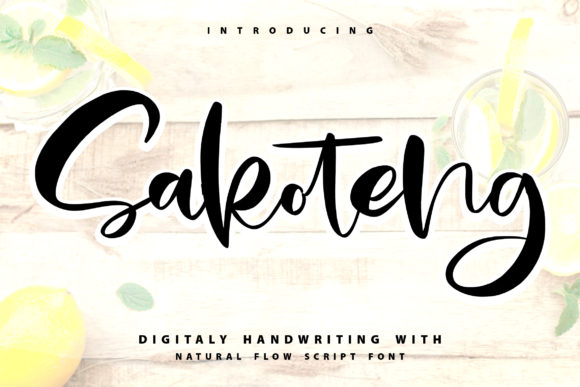
Sakoteng is a handwritten font that brings warmth, personality, and elegance to any design. With its thick lettered yet cursive style, it offers a unique blend of legibility and artistic flair. This font is PUA encoded, giving users easy access to all glyphs and swashes, which makes it highly versatile for creative projects. Whether you're designing branding materials, marketing assets, or digital content, Sakoteng can elevate your work with a touch of human authenticity.
Strategic Use of Sakoteng in Design and Communication
The strategic use of Sakoteng goes beyond aesthetics. It supports clear communication by adding a personal touch that resonates with audiences. In branding, for instance, the font can convey a sense of approachability and creativity, making it ideal for startups, creative agencies, or lifestyle brands looking to connect on an emotional level.
For marketers and entrepreneurs, incorporating Sakoteng into visual storytelling can help differentiate their message from competitors. Its handwritten feel can be particularly effective in campaigns targeting niche markets, such as eco-friendly products, handmade goods, or artisanal services where authenticity is key.
When to Use Sakoteng Effectively
Sakoteng shines in scenarios where a human element enhances the message. Consider using it in:
- Headlines and titles for blog posts, newsletters, or social media updates to draw attention and create a welcoming tone.
- Call-to-action buttons in websites or landing pages to encourage engagement with a friendly and inviting look.
- Branding elements like logos, packaging, or promotional materials to establish a distinct visual identity.
- Designs for educational content such as infographics, presentations, or learning modules where clarity and approachability are important.
However, it's essential to consider context before relying on Sakoteng. It may not be suitable for formal documents, legal texts, or technical manuals where readability and professionalism are paramount. Always assess whether the font aligns with the purpose and audience of your project.
Planning for Intentional Use of Sakoteng
Integrating Sakoteng into your design workflow requires thoughtful planning. Start by defining the goals of your project. Are you aiming to build brand recognition, increase engagement, or communicate a specific emotion? Once you have clarity on these objectives, you can determine how Sakoteng can support them effectively.
Consider the following steps when planning to use Sakoteng:
- Define your audience: Understand who you're communicating with and what they expect from your content. Sakoteng works best for audiences that appreciate creativity and personalization.
- Assess the context: Evaluate the type of content you're creating. Is it digital, print, or multimedia? Each medium may require different considerations for font usage.
- Test readability: Ensure that Sakoteng remains legible across different sizes and backgrounds. Avoid overusing it in small text or low-contrast environments.
- Align with brand guidelines: If you're working within an established brand, check if Sakoteng fits the existing visual language or if it needs to be adapted to match the brand’s tone.
By following these steps, you can ensure that Sakoteng enhances rather than distracts from your message.
Risks of Using Sakoteng Without Strategy
While Sakoteng has many benefits, using it without a clear strategy can lead to ineffective results. One common risk is misalignment with the intended message. For example, using a playful font like Sakoteng for a financial institution might confuse or alienate the target audience, who expects professionalism and reliability.
Another risk is poor readability. Although Sakoteng is designed to be visually appealing, it may not be the best choice for long blocks of text or in situations where quick reading is necessary. Overuse can also dilute the impact of the font, making it less effective in conveying your message.
To avoid these pitfalls, always pair Sakoteng with other fonts that complement it. Use it sparingly and strategically, ensuring that it serves a clear purpose in your design.
Enhancing Creativity and Productivity with Sakoteng
For creators, freelancers, and educators, Sakoteng can be a powerful tool to enhance both creativity and productivity. Its handwritten appearance encourages a more organic and spontaneous design process, which can inspire new ideas and approaches.
In educational settings, Sakoteng can make learning materials more engaging. Teachers and instructional designers can use it in lesson plans, presentations, or interactive content to create a more dynamic and personalized experience for students. Similarly, bloggers and publishers can use it to add character to their articles, making them more relatable and memorable.
Freelancers and small business owners can leverage Sakoteng to stand out in competitive markets. By incorporating it into their website, email signatures, or social media profiles, they can create a distinctive visual identity that reflects their personality and values.
Practical Examples of Sakoteng in Action
Here are some practical examples of how Sakoteng can be used in real-world scenarios:
- Marketing campaign for a boutique clothing store: Use Sakoteng in headlines and taglines to create a warm and inviting atmosphere that appeals to fashion-conscious consumers.
- Newsletter for a wellness brand: Incorporate Sakoteng in subject lines and call-to-action sections to foster a sense of community and connection.
- Product packaging for handmade soaps: Apply Sakoteng to labels and descriptions to highlight the artisanal nature of the product.
- Blog post about travel experiences: Use Sakoteng in headings and captions to evoke a sense of adventure and authenticity.
These examples demonstrate how Sakoteng can be tailored to fit various industries and purposes while maintaining its core appeal.
Long-Term Value of Strategic Font Usage
Choosing the right font like Sakoteng isn't just about aesthetics—it's about building long-term value for your brand or project. A well-chosen font can reinforce your brand identity, improve user experience, and even influence customer perception.
For decision-makers and business owners, investing time in selecting the right font can yield significant returns. It contributes to consistent branding across all platforms, strengthens customer relationships, and supports overall business growth. By using Sakoteng intentionally, you can create a cohesive and memorable brand presence that resonates with your audience over time.
Ultimately, the success of any design project depends on thoughtful choices that align with your goals and values. Sakoteng offers a unique opportunity to bring personality and authenticity to your work—when used with purpose and precision.