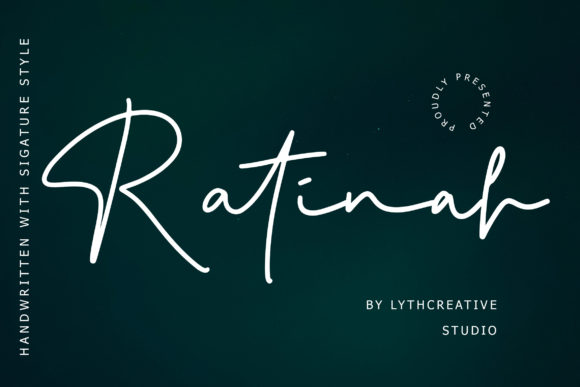
Ratinah: A Timeless Script Font for Modern Design Projects
Ratinah is an elegant script font that blends the sophistication of classic calligraphy with a contemporary design sensibility. Designed to offer a balanced and versatile aesthetic, it avoids the extremes of being too thin or too thick, ensuring readability while maintaining visual appeal. This font is ideal for designers seeking to add a touch of refinement to branding, marketing materials, or digital content without sacrificing clarity or professionalism.
Understanding the Characteristics of Ratinah
Ratinah's design is rooted in traditional calligraphy, yet it has been modernized to suit today’s design needs. The font features a smooth, flowing structure with subtle variations in stroke weight, giving it a natural, handwritten feel. Its characters are neither overly ornate nor too minimal, making it suitable for a wide range of applications—from logos and headlines to body text in more artistic contexts.
One of the key strengths of Ratinah is its balance. It avoids the legibility issues often found in more decorative script fonts by maintaining consistent spacing and proportion. This makes it a reliable choice for projects where both beauty and functionality are important.
Comparing Ratinah with Other Script Fonts
When considering script fonts, designers often face a dilemma between elegance and practicality. Fonts like Brush Script or Lobster are popular for their bold, expressive style but may not be as readable in extended text. In contrast, Ratinah strikes a middle ground, offering a refined look that doesn’t compromise on usability.
For example, in a project requiring a sophisticated yet approachable font, Ratinah could be a better fit than a more stylized option. It works well for headings in magazines, promotional banners, or even wedding invitations where a classic yet fresh appearance is desired.
Compared to sans-serif fonts used in digital interfaces, Ratinah brings a sense of warmth and personality. However, it’s important to note that it may not be the best choice for long-form text due to its script nature. In such cases, pairing Ratinah with a complementary sans-serif or serif font can enhance both aesthetics and readability.
Strengths and Tradeoffs of Using Ratinah
The primary strength of Ratinah lies in its ability to convey elegance without being overly complex. It is particularly well-suited for projects that aim to evoke a sense of tradition, artistry, or luxury. Whether designing a brand identity, creating a website header, or producing print collateral, Ratinah adds a level of sophistication that many other fonts struggle to achieve.
However, there are some tradeoffs to consider. As a script font, Ratinah may not be the most efficient choice for large blocks of text. Its organic curves and varying stroke weights can make reading long paragraphs more challenging. Additionally, while it is available in multiple weights and styles, it may not offer the same level of customization as some premium font families.
Another consideration is licensing. Like many high-quality fonts, Ratinah may require purchase for commercial use. Designers should ensure they have the appropriate license before using it in client projects or public-facing content.
Best-Fit Situations for Ratinah
Ratinah shines in situations where a designer wants to communicate a message with both visual appeal and a sense of timelessness. It is especially effective in the following scenarios:
- Branding and Logo Design: Ratinah can help create a memorable and distinctive brand identity that feels both classic and modern.
- Marketing Materials: From brochures to business cards, this font adds a touch of class to promotional content.
- Web Design: When used sparingly for headings or call-to-action buttons, Ratinah enhances the visual hierarchy of a webpage without overwhelming the user.
- Print Media: Invitations, posters, and magazine layouts benefit from Ratinah’s clean yet artistic presentation.
In these contexts, Ratinah offers a unique advantage over more generic or overly decorative alternatives. It allows for creative expression without compromising on clarity or professionalism.
When to Consider Alternatives to Ratinah
While Ratinah is a versatile and attractive font, it may not be the best choice for every project. For instance, if a design requires maximum legibility—such as in a technical document or a mobile app interface—a sans-serif or serif font would be more appropriate.
Additionally, if a designer is looking for a highly customizable font with extensive language support or advanced typographic features, they might explore other options. Some premium font families offer greater flexibility in terms of weight, width, and stylistic variants.
It’s also worth noting that Ratinah may not be ideal for multilingual projects. While it supports a broad range of languages, designers working with non-Latin scripts should verify compatibility before proceeding.
Real-World Applications and Practical Examples
Let’s consider a real-world scenario. A boutique hotel looking to refresh its brand identity might choose Ratinah for its logo and signage. The font’s elegant curves and balanced form align with the hotel’s image of sophistication and comfort. In this case, Ratinah complements the brand’s values without appearing outdated or overly formal.
On the other hand, a tech startup aiming for a minimalist and modern look might opt for a sans-serif font instead. Here, Ratinah’s script style could clash with the brand’s intended message, highlighting the importance of matching the font to the project’s goals.
Another example is a wedding planner using Ratinah for invitation designs. The font’s classic yet contemporary feel evokes romance and tradition, making it a perfect match for the occasion. By contrast, a more casual or playful event might call for a different typeface altogether.
Final Thoughts on Choosing Ratinah
Ratinah is a compelling choice for designers who want to incorporate elegance into their work without sacrificing readability or versatility. Its roots in classic calligraphy provide a timeless quality, while its modern adaptation ensures it remains relevant in today’s design landscape.
Ultimately, whether Ratinah is the right font depends on the specific needs of the project. By understanding its strengths, limitations, and best-fit scenarios, designers can make informed decisions that align with their creative vision and functional requirements.